American Honeymoon Luxury Stays: A Definitive Editorial Guide
The concept of the honeymoon has undergone a profound structural shift within the American travel landscape. Historically viewed as a predictable departure to sun-drenched coastal enclaves or European capitals, the modern luxury honeymoon has pivoted toward a nuanced exploration of the North American continent’s diverse topography. This evolution is not merely a byproduct of convenience but reflects a sophisticated demand for high-fidelity hospitality that leverages the unique geographic and cultural specificities of the United States. In this context, luxury is no longer defined solely by the opulence of the physical space, but by the precision of service, the seclusion of the environment, and the exclusivity of the access provided.
Navigating the high-end hospitality sector requires a departure from traditional “best-of” lists that prioritize marketing spend over editorial integrity. A definitive analysis of the market must account for the systemic complexities of the domestic travel industry—from the logistical nuances of seasonal climate shifts to the tiered service models of ultra-luxury resorts. The American luxury stay is characterized by a “quiet” sophistication, often blending rustic or historical elements with state-of-the-art technological integration. This creates a challenging paradox for the planner: how to achieve a sense of timelessness while demanding modern efficiency.
True mastery of the domestic luxury honeymoon involves understanding the “service-to-privacy” ratio. Unlike the grand hotels of the 20th century, which thrived on visible ostentation, the current vanguard of American retreats focuses on invisibility. This is the luxury of the “unspoken” need, where the environment is curated to minimize friction and maximize the sensory impact of the location. Whether situated in the arid canyons of the Southwest, the dense deciduous forests of New England, or the volcanic coastlines of the Pacific, these properties represent an investment in the architecture of shared experience.
Understanding “American Honeymoon Luxury Stays”
The designation of a property as “luxury” within the domestic market is frequently obscured by marketing hyperbole. To effectively evaluate American honeymoon luxury stays, one must look past the “thread count” metrics and analyze the operational philosophy of the venue. A property might boast an impressive physical plant—infinity pools, bespoke furnishings, and high-end spas—yet fail at the critical juncture of personalized service delivery. Within the American context, luxury is often a measure of the property’s ability to insulate the guest from the “friction” of standard travel.
There is a common misunderstanding that high cost is a direct proxy for high quality. In reality, the domestic market is bifurcated between “branded luxury” (standardized excellence across international chains) and “independent boutique luxury” (highly localized, often idiosyncratic service models). Each presents specific oversimplification risks. A branded experience offers predictability, which is a significant asset for a high-stress event like a honeymoon, but it may lack the cultural resonance or “soul” of an independent estate. Conversely, independent stays can offer unparalleled authenticity but may lack the deep-bench resources required for complex logistical requests.
Furthermore, the geographical scope of the United States means that “luxury” is interpreted differently across regions. In the Northeast, it often manifests as historical preservation and formal service; in the West, it leans toward “barefoot luxury” and wellness integration; in the South, it is defined by hospitality traditions and expansive estates. To navigate this, the planner must develop a multi-perspective view that aligns the couple’s specific “relaxation profile” with the regional service culture of the chosen destination.
The Systemic Evolution of Domestic High-End Hospitality
The historical trajectory of American luxury travel began with the “Great Camps” of the Adirondacks and the grand railway hotels of the West. These were sites of extraction—bringing urban elites into the wilderness while maintaining the social hierarchies of the city. Over the last century, this model has shifted toward integration. The modern luxury stay is no longer an imposition on the landscape but an extension of it. This systemic change was accelerated by the post-war rise of the “resort” model, followed by the 1980s boutique revolution, and finally the current era of “experiential” luxury.
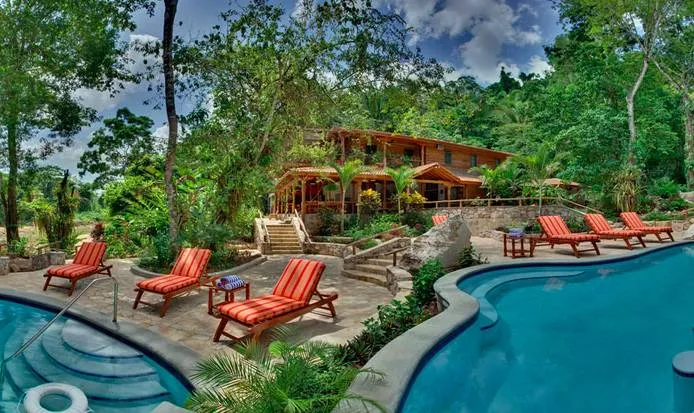
Today’s market is defined by the “wellness industrial complex” and the “farm-to-table” ethos, where the luxury stay serves as a hub for holistic health and sustainable living. This shift reflects a broader societal movement toward “meaningful” consumption. For honeymooners, this means that the “stay” is rarely just about the room; it is about the curated programming—private fly-fishing excursions, astronomer-led stargazing, or chef-led foraging—that happens around the room. This evolution has made the American market one of the most diverse and high-performing in the world, often outstripping traditional European destinations in terms of innovation and service customization.
Mental Models for Evaluating High-Fidelity Retreats
To move beyond the superficial, travelers should apply several mental models when assessing a potential honeymoon stay.
The Friction-to-Reward Ratio
Every luxury stay involves some level of friction (travel time, cost, logistical complexity). The mental model here is to calculate whether the “reward” (privacy, environmental impact, service quality) justifies the friction. A secluded ranch in Montana may have high friction (two flights and a long drive), but the reward of absolute silence and 30,000 private acres may be the necessary offset for a high-stress professional couple.
The “Silent Service” Framework
Assess luxury by what doesn’t happen. High-fidelity service is predictive. If you have to ask for a refill, if the concierge isn’t aware of your dietary restrictions despite them being in your profile, or if the housecleaning schedule interrupts your privacy, the service model is flawed. True luxury stays operate with a “silent” efficiency where the machinery of the hotel is invisible.
The Seasonal Utility Model
In the U.S., climate is a primary variable. This model evaluates the property’s “failure modes” during off-peak or transitional seasons. A coastal Maine property might be spectacular in July but offer diminishing returns in the “mud season” of April. Understanding the property’s utility across the calendar year is essential for accurate value assessment.
Key Categories of the American Luxury Landscape
The domestic market is categorized by “biomes” and “service philosophies.” Choosing between them requires an understanding of the inherent trade-offs.
| Category | Primary Philosophy | Trade-off | Ideal For |
| Western Ranches | Expansive seclusion; rugged luxury. | High travel friction; seasonal extremes. | High-activity couples; nature immersion. |
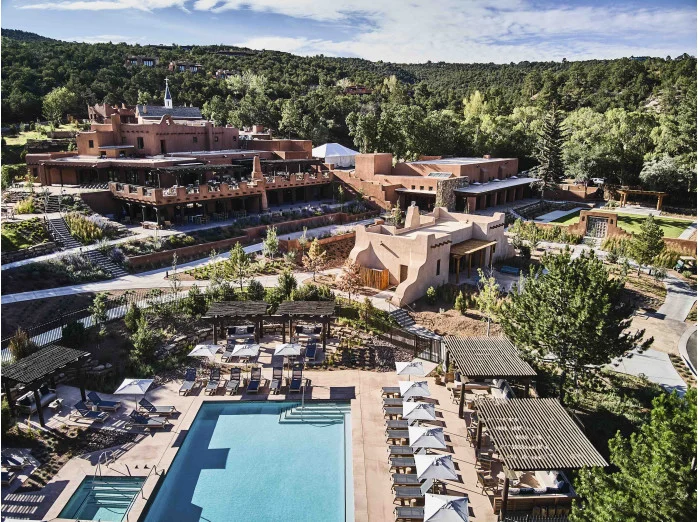
| Southwestern Desert Escapes | Architectural integration; wellness-centric. | Intense heat; high demand in winter. | Privacy seekers; design enthusiasts. |
| Pacific Coastal Retreats | Organic luxury; “barefoot” elegance. | High cost-to-space ratio; variable weather. | Relaxation; fine dining; ocean views. |
| New England Estates | Historical resonance; formal service. | Can feel “stiff”; limited adventure activities. | Tradition, autumn aesthetics, and proximity to cities. |
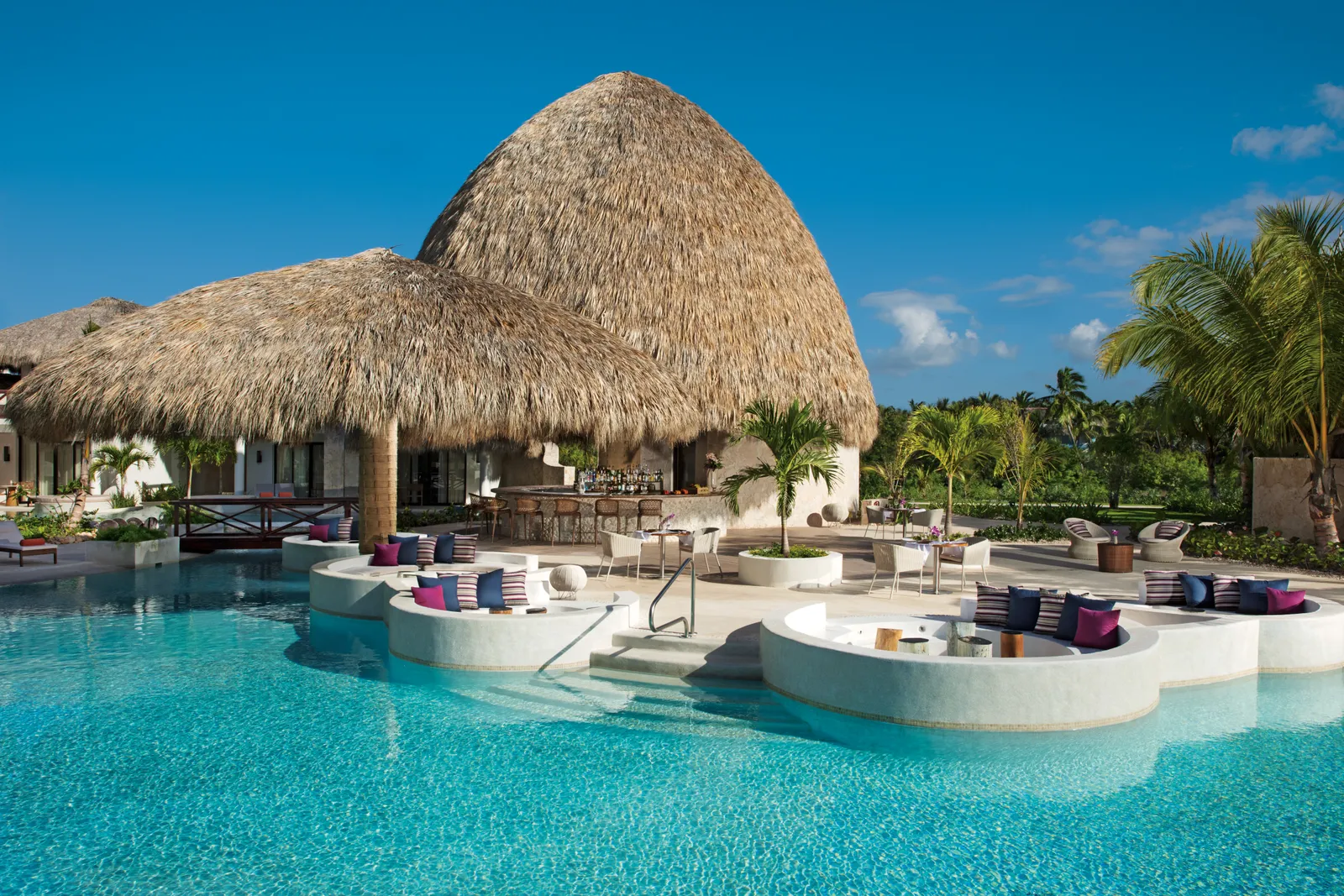
| Island Hideaways (Hawaii/Keys) | Tropical immersion; water-based luxury. | Long travel times; higher “tourist” density. | Classic romance; sun/surf; resort amenities. |
| Mountain Lodges (Rockies/Appalachians) | Cozy opulence; alpine proximity. | Altitude adjustments are expensive during ski season. | Winter romance, skiing, spa focus. |
Detailed Real-World Scenarios and Decision Logic
Scenario A: The High-Stress Professional Couple
A couple works 80 hours a week in finance/law and seeks absolute disconnection.
-
The Constraint: They only have six days and want minimal travel time from NYC.
-
The Decision: A luxury estate in the Hudson Valley or a private island resort in the Florida Keys.
-
Logic: The proximity of the Hudson Valley reduces travel friction, allowing for immediate “decompression,” whereas the Keys offer a total environmental shift with slightly more friction.
Scenario B: The Adventure-Seeker Duo
A couple that finds relaxation through movement rather than stasis.
-
The Constraint: They want high-end amenities but dislike “traditional” resorts.
-
The Decision: A luxury tented camp in Utah’s Red Rocks or a working luxury ranch in Montana.
-
Logic: These properties offer “adventure as service,” where the logistics of technical hikes or riding are handled with the same precision as a five-course meal.
Planning, Cost, and Resource Dynamics
The financial planning for an American honeymoon luxury stay involves navigating a landscape of dynamic pricing and hidden resource requirements. Unlike a standard hotel stay, a luxury stay often includes “all-inclusive” tiers, “resort fees,” and the high cost of private excursions.
Range-Based Resource Allocation
| Tier | Daily Rate (Base) | Additional Costs (Excursions/Private Dining) | Service Ratio (Staff-to-Guest) |
| Boutique Luxury | $800 – $1,500 | Moderate ($200 – $500/day) | 1:2 |
| Premier Luxury | $1,500 – $3,000 | High ($500 – $1,500/day) | 2:1 |
| Ultra-Exclusive | $4,000 – $10,000+ | Very High (Often bespoke) | 4:1+ |
A primary resource often overlooked is “Attention Capital.” Planning a high-end trip requires significant time or the delegation of that time to a travel advisor. The “opportunity cost” of planning it yourself can be high, leading many couples to use Virtuoso-affiliated advisors or private concierges.
Tools, Strategies, and Strategic Support Systems
Navigating the domestic luxury market requires a specific toolkit.
-
Virtuoso/AMEX FHR Integration: Utilizing travel networks that offer “non-public” benefits—automatic upgrades, resort credits, and early check-ins—which provide a higher return on capital.
-
The “Pre-Stay” Questionnaire: Proactively engaging with the property’s guest relations manager to establish a “service profile” (pillow types, mini-bar preferences, specific celebration markers).
-
Tier-One Flight Logistics: For remote ranch or desert stays, utilizing private charters or boutique airlines like JSX to bypass the friction of major commercial hubs.
-
The “Off-Menu” Concierge Strategy: Developing a relationship with the head concierge rather than the general front desk. In luxury properties, the concierge has the leverage to unlock “unlisted” experiences.
-
Climate and Packing Precision: Using regional-specific outfitters (e.g., specialized gear for the Pacific Northwest vs. the high desert) to ensure environmental discomfort doesn’t erode the luxury experience.
-
Digital “Blackout” Tactics: Using Faraday bags or property-specific “tech-free” zones to facilitate the psychological transition from work to honeymoon.
The Risk Landscape: Compounding Failures in Luxury Planning
The primary risk in luxury travel is not total failure, but “expectation-gap” failure. When a guest pays $2,500 a night, the margin for error is nonexistent.
-
Operational Drift: A property that was elite three years ago may have suffered from staff turnover or deferred maintenance. Relying on outdated reviews is a significant risk.
-
Geopolitical and Climatic Volatility: Wildfires in the West, hurricanes in the South, or even local labor strikes can dismantle a honeymoon itinerary. Luxury properties are not immune to these systemic risks.
-
Compounding Friction: A delayed flight leading to a missed private transfer, which then results in a missed non-refundable spa treatment. In a tightly choreographed luxury itinerary, one failure can trigger a cascade.
Governance, Maintenance, and Long-Term Adaptation
For those who view luxury travel as an ongoing lifestyle, the “honeymoon” is simply the first major entry in a lifelong travel portfolio. Maintaining this requires a “governance” approach:
-
Review Cycles: Annually reviewing property performance through trusted editorial outlets (not just user-review sites).
-
Adjustment Triggers: If a property changes ownership or management groups, it should be flagged for re-evaluation. Management shifts are the number one predictor of service degradation.
-
Layered Checklists: Utilizing a three-tier checklist (Pre-arrival, On-site, Post-stay) to ensure all value-adds were delivered and to document the experience for future travel planning.
Measurement, Tracking, and Evaluation Metrics
How do you measure the success of a luxury stay?
-
The “Inquiry-to-Resolution” Speed: How quickly did the staff handle a non-standard request?
-
Privacy Fidelity: Were there any moments where staff or other guests intruded on the sense of seclusion?
-
Value Realization: Did the “soft benefits” (the quality of the stargazing, the knowledge of the guide) exceed the “hard costs”?
-
Documentation: Maintaining a “Service Log” (either digital or physical) to track which properties lived up to their brand promise.
Common Misconceptions and Oversimplifications
-
Myth: All-inclusive always means lower quality. Fact: High-end American ranches and islands use “all-inclusive” as a way to remove the “transactional friction” of signing bills, prioritizing the guest experience over incremental revenue.
-
Myth: You must go to the coast for romance. Fact: The interior U.S. (Utah, Wyoming, Montana) currently holds some of the highest-rated luxury properties in the global market.
-
Myth: Size equals luxury. Fact: Often, the most luxurious stays are “micro-properties” with only 10–15 keys, allowing for a staff-to-guest ratio that grand resorts cannot match.
-
Myth: “Luxury” is the same everywhere. Fact: Service cultures are deeply regional. Expecting “New York service” in a rural Montana ranch is a recipe for frustration.
-
Myth: Online reviews are reliable. Fact: High-end travel reviews are often influenced by “social signaling” or “comped” stays. Editorial authority and professional advisors are more reliable signals.
Ethical and Contextual Considerations in Modern Travel
As luxury travel evolves, so does its ethical footprint. Travelers are increasingly considering the “social cost” of their stays.
-
Land Stewardship: Does the property contribute to the conservation of the environment it profits from?
-
Labor Ethics: How does the property treat its seasonal staff? In remote luxury locations, the local community’s health is intrinsically linked to the property’s success.
-
Carbon Offsetting: For remote destinations requiring multiple flights, high-end travelers are increasingly integrating carbon-sequestration projects into their travel budget.
Conclusion: The Synthesis of Choice and Value
Selecting from among the many American luxury honeymoon stays is a process of aligning values with logistics. It requires an analytical mindset that refuses to be swayed by superficial aesthetics, focusing instead on the underlying service architecture and environmental integrity of a property. The United States offers a world-class spectrum of retreats that, when navigated with precision, provide a level of intimacy and adventure that rivals any international destination. The hallmark of a successful honeymoon is not just the memory of a beautiful room, but the realization that the environment was perfectly calibrated to the needs of the couple, allowing the significance of the union to take center stage.