American Safari Style Stays: The Definitive Guide to Luxury Wilderness Lodging
The concept of the “safari” has long been tethered to the expansive savannas of East Africa, characterized by mobile tented camps, rigorous wildlife tracking, and a specific colonial-era aesthetic. However, a significant shift in the domestic travel landscape has seen the emergence of american safari style stays, a movement that translates the ethos of immersive, nature-centric lodging into the diverse ecosystems of North America. This transition is not merely a cosmetic replication of African aesthetics; it represents a fundamental re-engineering of how high-end hospitality interacts with the American wilderness, from the high deserts of Utah to the coastal forests of the Pacific Northwest.
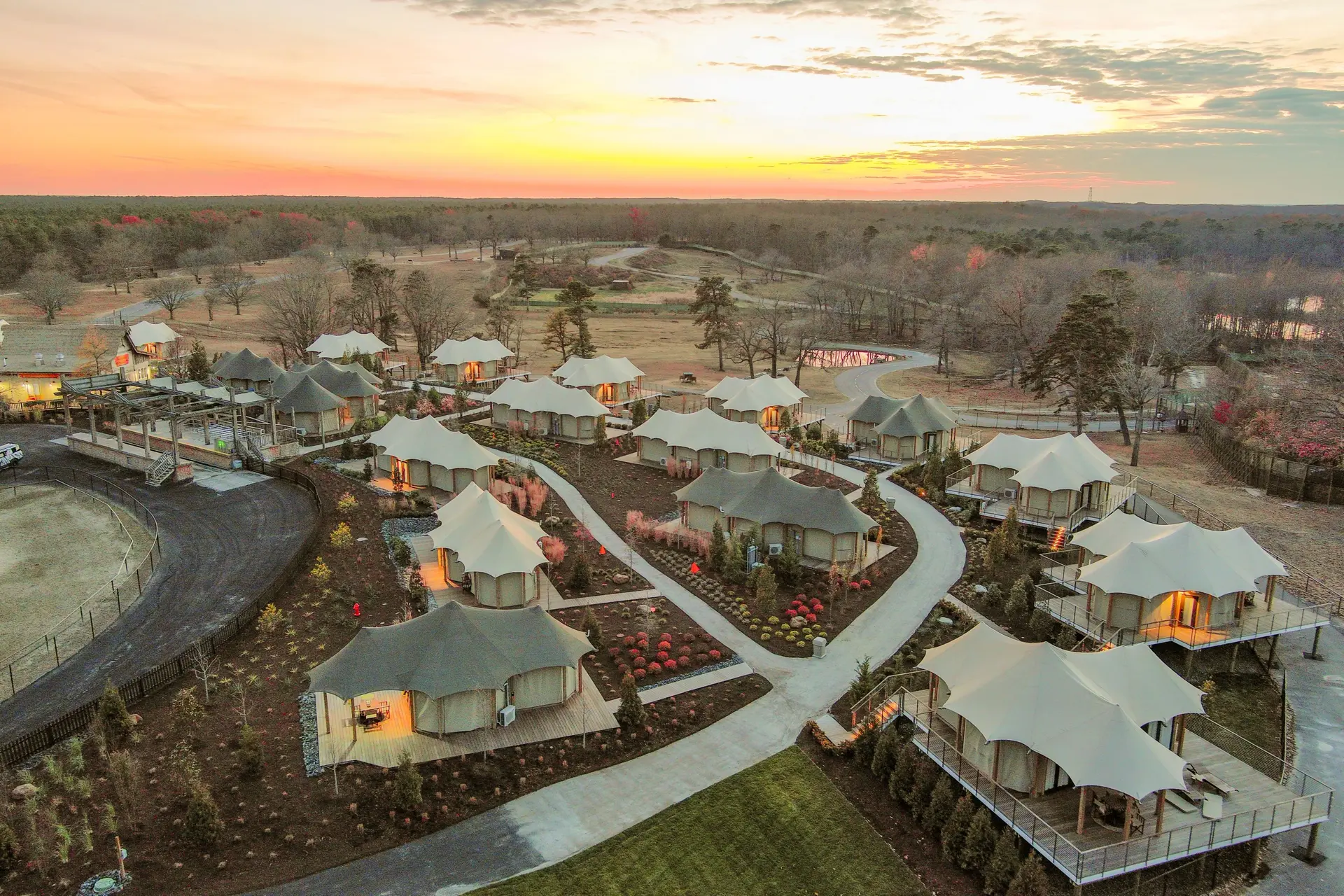
While the term is often associated with “glamping,” reducing these developments to luxury camping misses the operational and architectural complexity involved. These stays are built upon a philosophy of low-impact permanence, utilizing canvas, reclaimed timber, and local stone to create structures that feel ephemeral yet offer the thermal and structural integrity of traditional builds. The goal is to dissolve the barrier between the guest and the environment, facilitating a psychological state of “wilderness immersion” without the logistical burdens of traditional backcountry exploration.
Developing these assets requires a sophisticated understanding of land use, seasonal resilience, and a specific brand of curated isolation. As travelers increasingly seek “disconnection as a service,” the market for american safari style stays has matured, moving away from novelty toward a disciplined segment of the hospitality industry. This article examines the structural, economic, and philosophical layers of this stay style, serving as a definitive guide for those analyzing the intersection of luxury, architecture, and the American landscape.
Understanding “american safari style stays”
Defining american safari style stays requires moving past the visual tropes of canvas walls and clawfoot tubs. At its core, this style is a response to the “over-built” nature of traditional American resorts. While a standard mountain lodge seeks to insulate the guest from the elements using heavy masonry and HVAC systems, a safari-style stay utilizes “breathable” architecture. This means the structures are designed to respond to ambient temperatures, wind patterns, and the acoustic signature of the surrounding environment.
A common misunderstanding is that these stays are a monolithic category. In reality, they exist on a spectrum ranging from “rugged minimalist” to “ultra-luxury fortress.” The risk of oversimplification often leads to a failure in managing guest expectations. A safari stay in the Montana backcountry involves different metabolic and logistical demands than a similar stay in the Napa Valley. The former requires a sophisticated approach to wildlife safety and off-grid power, while the latter focuses on the integration of viticulture and aesthetic harmony.
Furthermore, the “American” component of this style is critical. Unlike African safaris, which are often centered on the “Big Five” mammals, American versions prioritize landscape-scale experiences. The focus shifts to the geology of the Grand Canyon, the old-growth canopy of the Redwoods, or the celestial clarity of the Dark Sky reserves in the Southwest. The stay is the lens through which these vast, often intimidating landscapes become intimate and navigable.
The Evolution of North American Wilderness Lodging
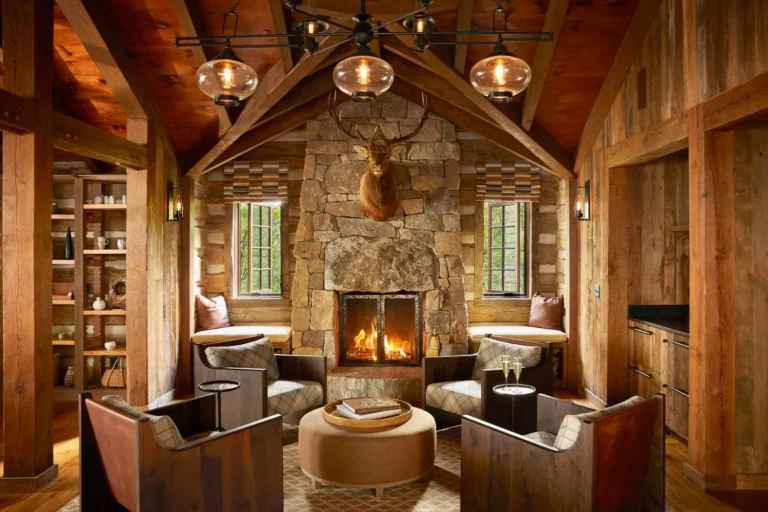
The lineage of remote stays in America began with the “Great Camps” of the Adirondacks in the late 19th century. These were multi-building complexes designed for the elite to experience the woods without sacrificing the comforts of the city. They established the “rustic luxury” vernacular—peeled-log siding, massive stone fireplaces, and an obsession with local craftsmanship.
Following this, the National Park Service’s “Parkitecture” phase in the early 20th century standardized the look of the American wilderness. It emphasized harmony with the site, using native materials to make large-scale hotels like the Old Faithful Inn feel as though they grew out of the earth.
The modern emergence of american safari style stays represents the third wave. It takes the site-sensitivity of Parkitecture and the luxury of the Great Camps but adds a layer of modularity and environmental lightness. Modern engineering allows for tented structures that can withstand 90 mph winds and heavy snow loads, features that were impossible for the canvas scouts of the past. This evolution is driven by a desire for “temporary permanence”—the ability to occupy a pristine site with high-intensity luxury while leaving a negligible footprint should the structures be removed.
Conceptual Frameworks: The Architecture of Immersion
To understand how these stays function, we can apply several mental models that dictate their design and operation.
-
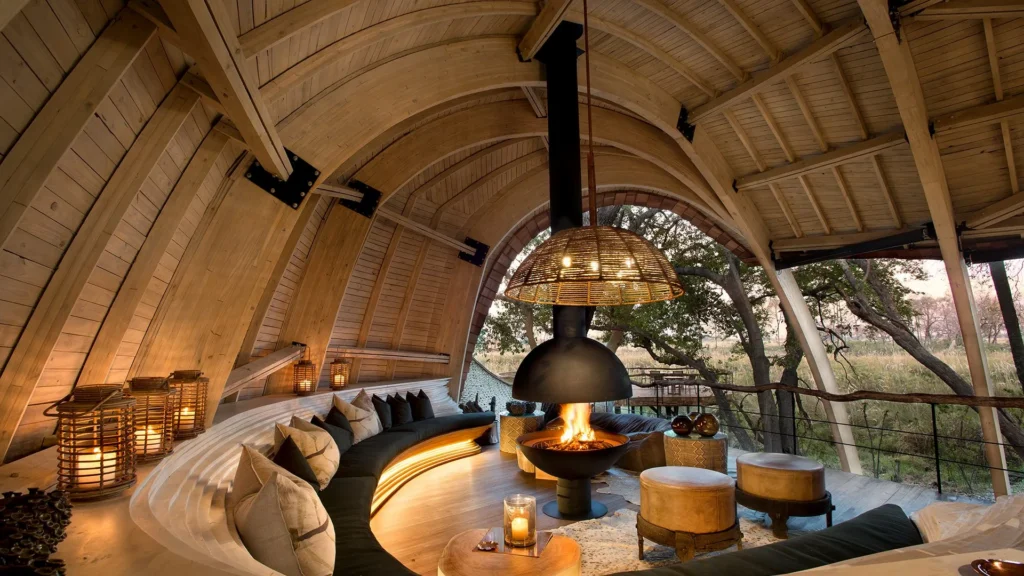
The Threshold Model: This framework focuses on the ratio of indoor to outdoor space. In a standard hotel, the ratio might be 90:10. In american safari style stays, the goal is often closer to 40:60. Decks, outdoor showers, and screened-in lounges are not “amenities”; they are the primary living spaces. The threshold between “inside” and “outside” is intentionally blurred to keep the guest’s nervous system attuned to the natural environment.
-
The Biophilic Feedback Loop: Design elements are chosen to trigger specific psychological responses. The sound of rain on a canvas roof, the smell of cedar-lined walls, and the sight of a horizon line from the bed are intended to reduce cortisol levels. This framework prioritizes sensory inputs over digital entertainment.
-
The Resource Circularity Limit: This is the operational constraint of remote stays. Every liter of water, kilowatt of power, and pound of waste must be accounted for in a closed or semi-closed loop. This framework dictates that luxury is defined not by excess, but by the sophisticated management of scarcity.
Key Categories and Typological Variations
The market for american safari style stays has bifurcated into several distinct archetypes, each with specific trade-offs regarding comfort, cost, and environmental impact.
Decision Logic for Travelers and Developers
Choosing between these categories depends on the “Duration of Exposure” versus the “Level of Service.” A traveler seeking a deep-wilderness experience may accept the thermal fluctuations of a High-Desert Pavilion, whereas a corporate retreat may require the climate-controlled stability of a Desert Monolith.
Detailed Real-World Scenarios
Scenario 1: The High-Altitude Thermal Challenge
In an alpine safari stay at 9,000 feet, the primary constraint is the diurnal temperature swing. A tent that is 80°F at noon can drop to 30°F by 2:00 AM.
-
Decision Point: Do you install wood-burning stoves (atmospheric but high labor/risk) or radiant floor heating (efficient but high power draw)?
-
Failure Mode: Inadequate insulation in the “knee walls” of the tent leads to frozen pipes despite the heater running.
Scenario 2: The Coastal Humidity Saturation
A stay located in the Olympic Peninsula faces constant 90%+ humidity.
-
Decision Point: Using traditional canvas leads to mold within 18 months. The operator must choose between synthetic high-performance fabrics or a rigorous weekly cleaning cycle.
-
Second-Order Effect: The choice of fabric alters the acoustic quality of the stay; synthetic fabrics “crinkle” in the wind, potentially disrupting the “calm” value proposition.
Scenario 3: The Wildlife Corridor Conflict
A stay located on a traditional elk migration path in Wyoming.
-
Decision Point: Do you fence the perimeter (safety but ruins the “safari” feel) or implement 24/7 human “bear-aware” monitoring?
-
Failure Mode: Guests leaving food in tents leads to habituated wildlife, eventually requiring the removal of animals or the closure of the camp.
Planning, Cost, and Resource Dynamics
The economics of american safari style stays are counterintuitive. While the structures (tents/pavilions) may cost less than a brick-and-mortar hotel room, the infrastructure required to support them in a remote location is significantly more expensive.
The opportunity cost of these stays is often “Scale.” Because the value proposition relies on isolation and low density, operators cannot simply add 100 rooms to increase margins. They must instead increase the “Value Per Guest” through curated experiences and high-touch service.
Tools, Strategies, and Support Systems
Maintaining the integrity of american safari style stays requires a specialized toolkit that blends high-tech monitoring with low-tech survival skills.
-
Greywater Filtration Systems: Essential for stays in arid regions to recycle water for landscape irrigation.
-
Point-to-Point Mesh Networks: Providing high-speed internet in remote canyons without visible towers or cables.
-
Thermal Imaging for Perimeter Safety: Used by staff to monitor for large predators without disturbing guests with floodlights.
-
Acoustic Batting: Specialized liners for tented ceilings to dampen the sound of heavy rain or wind.
-
Micro-Grid Management Apps: Allowing operators to balance battery storage against real-time guest usage (e.g., HVAC vs. Lighting).
-
Locally Sourced “Field Kits”: Curated gear provided to guests (Leica binoculars, topographic maps) to encourage exploration.
Risk Landscape and Failure Modes
The primary risk to this sector is “Nature Fatigue.” When the environment becomes a liability rather than an asset, the business model collapses.
-
Environmental Degradation: Over-visitation of a “pristine” site leads to trail braiding and soil compaction, destroying the very aesthetic that guests pay for.
-
Climate Volatility: Unpredictable wildfire seasons can force closures for months, leading to catastrophic revenue loss for seasonal operators.
-
The “Instagram” Trap: Marketing a stay based on a 2-hour window of perfect lighting leads to guest dissatisfaction when they encounter 22 hours of “boring” or “harsh” wilderness reality.
-
Supply Chain Fragility: A broken water pump in a remote Utah canyon can take 4 days to repair, rendering a $2,000-a-night stay uninhabitable.
Governance, Maintenance, and Long-Term Adaptation
Operating these assets requires a “Stewardship” mindset rather than a “Property Management” mindset. A layered checklist for long-term health includes:
-
Quarterly Fabric Tensioning: Ensuring wind loads are distributed correctly to prevent tearing.
-
Annual Biota Survey: Checking for shifts in local flora and fauna that might indicate environmental stress.
-
Community Integration Review: Ensuring the stay is providing value (employment/conservation) to the local rural population to prevent “tourist-washing” backlash.
Review Cycles
-
Weekly: Infrastructure health (Water, Power, Waste).
-
Monthly: Trail and site impact assessment.
-
Annually: Structural integrity and seasonal “deep cleaning” of all canvas components.
Measurement, Tracking, and Evaluation
How do you measure the success of an american safari style stays project? Beyond RevPAR (Revenue Per Available Room), operators must look at:
-
Wildlife Density Stability: Are animal sightings remaining constant over years of operation?
-
Resource Intensity per Guest Night: How many gallons of water and kWh of energy are used? A lower number often correlates with a more authentic “safari” experience.
-
Guest “Nature Connection” Score: A qualitative metric gathered through post-stay interviews to see if the stay actually achieved its psychological goals.
Example Documentation: A “Site Health Log” that tracks the regrowth of native grasses around the tent platforms, used to adjust foot traffic patterns for the following season.
Common Misconceptions and Oversimplifications
-
Myth: It’s just a tent. Correction: It is a high-performance membrane structure with integrated plumbing, electrical, and HVAC systems.
-
Myth: Safari stays are only for summer. Correction: Many are designed for four-season use with heavy insulation and internal heat sources.
-
Myth: Remote means “dangerous.” Correction: These stays often have higher staff-to-guest ratios and more sophisticated safety protocols than city hotels.
-
Myth: They are “Eco-Friendly” by default. Correction: If not managed correctly (waste hauling, high-power HVAC), a safari stay can have a larger per-guest carbon footprint than a standard hotel.
Conclusion
The rise of american safari style stays marks a maturation of the North American travel industry. It reflects a growing understanding that luxury is not the absence of nature, but the sophisticated immersion in it. As urban environments become more dense and digital lives more taxing, the value of these “ventilated” architectures will only increase. Success in this field requires a rare balance: the boldness to build in harsh environments and the restraint to let those environments remain the primary attraction. The future of this sector lies in its ability to adapt—to the changing climate, to evolving guest expectations, and to the enduring, silent demand for the American wilderness.