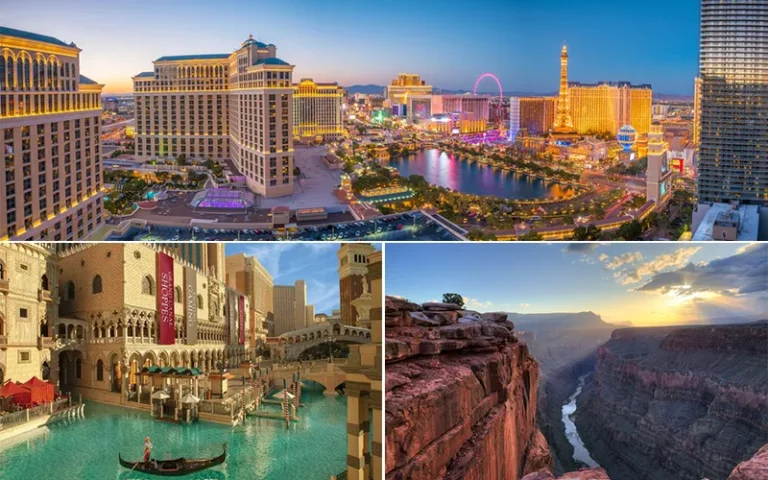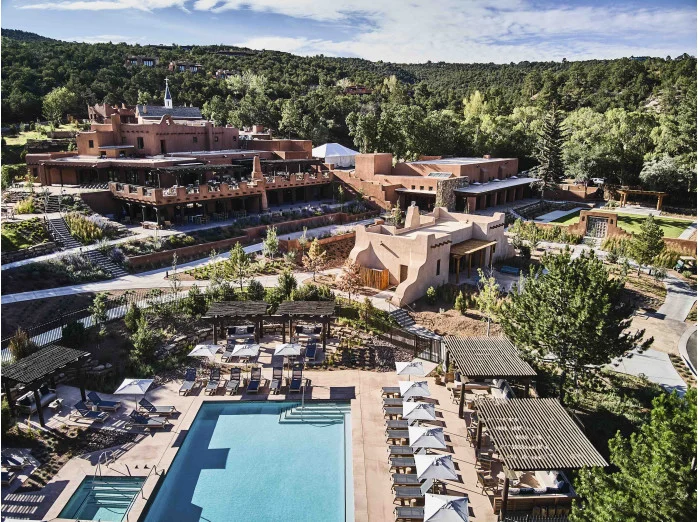
Luxury Honeymoon Resorts USA: A 2026 Strategic Editorial Guide
The American luxury hospitality sector has undergone a profound transformation in recent years, evolving from a market dominated by standardized opulence to one defined by hyper-local authenticity and architectural integration. For couples navigating the post-wedding landscape, the selection of a domestic sanctuary is no longer merely a logistical convenience but a strategic choice to engage with some of the most sophisticated service ecosystems in the world.
However, the proliferation of the “luxury” label in digital marketing has created a significant noise-to-signal problem. The term is frequently applied to any property with a high price point, regardless of its operational depth or the quality of its “soft product”—the human element of service that distinguishes a world-class resort from a merely expensive hotel. Achieving true seclusion and restorative luxury requires an editorial eye capable of deconstructing a resort’s infrastructure, its commitment to privacy, and its ability to facilitate “frictionless” experiences.
This analysis serves as a definitive reference for understanding the structural and psychological components of premier domestic travel. We will move beyond the superficial listicle format to examine the economic drivers of the luxury market, the failure modes of high-end itineraries, and the conceptual frameworks that allow for the successful execution of a milestone journey.
The following discourse establishes a master framework for identifying and evaluating the most prestigious environments currently available. We examine the evolution of American hospitality, the risks of “performative luxury,” and the systemic metrics that define a truly successful stay in the domestic ultra-luxury tier.
Understanding “luxury honeymoon resorts usa”
To effectively navigate the landscape of luxury honeymoon resorts usa, one must first deconstruct the “Luxury Paradox.” In many consumer markets, luxury is associated with excess; however, in the context of high-tier honeymoon travel, true luxury is often found in subtraction—the removal of crowds, the absence of logistical friction, and the elimination of decision fatigue.
Multi-Perspective Utility
From an architectural perspective, these resorts are evaluated by their “biophilic integration”—how well the built environment harmonizes with the natural landscape to lower the cortisol levels of the guests. From a sociological perspective, these properties act as “enclave economies,” providing a curated reality that feels distinct from the surrounding world. For the newlywed couple, the utility of such a resort lies in its ability to provide a “liminal space” where the transition from the chaos of wedding planning to the stability of married life can be processed without interruption.
Risks of Oversimplification
The most common misunderstanding in this sector is the belief that a high “Star Rating” or a specific price bracket inherently protects the honeymoon experience. This ignores the “Service-to-Guest Ratio,” a critical metric that often fails in large-scale luxury hotels during peak seasons. Oversimplification also occurs when couples focus on the “aesthetic premium”—the visual appeal of a property on social media—while neglecting the “operational maturity” of the resort, which includes everything from the precision of housekeeping to the depth of the concierge’s local knowledge.
Deep Contextual Background
Historically, the American luxury resort was a regional institution. The late 19th and early 20th centuries saw the rise of “Grand Hotels” like The Greenbrier or The Breakers, which served as social hubs for the industrial elite. These properties were characterized by formal dress codes, multi-generational guest lists, and a service model rooted in European tradition. Following the democratization of air travel in the mid-20th century, the domestic market shifted toward tropical escapism, with Hawaii and Florida becoming the primary theaters for milestone travel.

By 2026, the market has entered the “Bespoke-Experiential” era. The modern traveler prizes “Low-Inventory” properties—resorts with fewer than 50 rooms that offer a higher degree of privacy and personalization. This shift has been accelerated by the rise of “Remote-Luxury” brands that build sanctuaries in technically challenging environments, such as the slot canyons of Utah or the rugged coastlines of Big Sur. This maturation reflects a systemic change in the American definition of status: moving away from “visible opulence” toward “invisible service” and “environmental stewardship.”
Conceptual Frameworks and Mental Models
To evaluate travel offerings with the rigor of a senior editor, we utilize several mental models that account for human psychology and economic volatility.
1. The “Peak-End” Rule of Travel
Psychologically, we do not remember the average of our experiences; we remember the “peaks” (the most intense positive moments) and the “end” (the final 24 hours of the trip). When selecting between luxury honeymoon resorts usa, it is more effective to choose a property that facilitates one or two extraordinary, unique experiences (a private helicopter dinner or a closed-session spa) rather than a resort that is consistently “good” but never “exceptional.”
2. The Isolation-Accessibility Matrix
A premier resort must exist in a state of “Functional Isolation.” It should feel like it is at the end of the world, yet it must be accessible via a reliable “last-mile” logistical chain. If the transit to the resort is too arduous, the “transit fatigue” can consume the first two days of the honeymoon. The best resorts solve this through private aviation partnerships or seamless luxury car transfers that begin the service experience at the airport gate.
3. The Hedonic Adaptation Guardrail
Humans adapt to luxury environments with remarkable speed. A $4,000-a-night suite feels standard by day three. To maintain the “honeymoon high,” successful itineraries utilize “Sequenced Upgrading”—starting in a high-quality room and moving to the premier “Signature Suite” for the final two nights. This resets the adaptation clock and ensures the trip ends on a psychological peak.
Key Categories of Luxury Environments
The U.S. domestic market is categorized by “geographical archetypes,” each offering distinct trade-offs in terms of privacy, activity, and climate.
| Archetype | Typical Location | Trade-off | Ideal For |
| High-Desert Minimalist | Utah, Arizona | Extreme weather; remote logistics. | Digital detox; architectural awe. |
| Atlantic Coastal Estate | Rhode Island, Maine | Seasonal volatility; formal service. | Classic elegance; maritime culture. |
| Pacific Forest/Coast | California, Oregon | Fog/Coastal dampness; high transit. | Nature immersion; quietude. |
| Subtropical Private Island | Florida Keys | Environmental fragility; high humidity. | Classic “toes-in-sand” relaxation. |
| Alpine Sanctuary | Colorado, Wyoming | Altitude adjustment; gear intensive. | Active luxury; rugged wellness. |
| Viticultural Retreat | Napa, Sonoma | High social density; high consumption. | Culinary depth; educational luxury. |
Decision Logic: The “Energy State” Assessment
The selection of a category should be dictated by the couple’s “post-wedding energy state.” If the goal is “Nervous System Regulation,” the High-Desert or Pacific Forest models provide the most sensory-neutral environments. If the goal is “Social Re-engagement” or celebration, the Viticultural or Atlantic Coastal models offer more vibrant, community-focused luxury.
Detailed Real-World Scenarios
Scenario 1: The “Seasonal Mismatch”
A couple books a luxury ranch in Montana for an October honeymoon, expecting the vibrant colors of autumn and outdoor activities.
-
The Failure: An unseasonably early snowstorm closes the mountain passes and limits outdoor dining.
-
The Pivot: Because the resort has “Operational Depth,” they pivot to indoor wellness, private culinary classes, and fireplace-centered luxury.
-
Lesson: True luxury is defined by a resort’s “Plan B” infrastructure.
Scenario 2: The “Over-Programming” Trap
A couple staying at a premier Napa Valley resort schedules three winery tours, two spa sessions, and a hot air balloon ride within the first 48 hours.
-
The Failure: They reach “Decision Fatigue” and exhaustion by day three, leading to friction in the relationship.
-
The Outcome: They cancel the final tours, losing non-refundable deposits.
-
Lesson: The luxury of “nothingness” is the most expensive and most valuable commodity in honeymoon planning.
Planning, Cost, and Resource Dynamics
The economics of the U.S. luxury market are driven by “Inelastic Demand.” Premier resorts often maintain high occupancy regardless of broader economic shifts, meaning that “deals” are non-existent.
Range-Based Domestic Investment Table (6 Nights)
| Tier | Investment Range (USD) | Service Characteristics | Typical Lodging |
| Boutique Luxury | $12,000 – $20,000 | 1:1 Guest-to-Staff; semi-private activities. | Junior Suite; 4.5-star property. |
| Ultra-Luxury Flagship | $25,000 – $50,000 | 3:1 Guest-to-Staff; dedicated butler. | Signature Suite; Amangiri / Post Ranch Inn. |
| Private Estate/Villa | $70,000+ | Total exclusivity; private chef/staff. | Full villa buyout; Private Island. |
Indirect Costs and Variability
One must account for “Ancillary Spend”—the costs that occur once on the property. At the ultra-luxury tier, a single private dinner can cost $1,500, and spa treatments often exceed $400. A managed budget accounts for an additional 30% of the base lodging cost to cover these “Experience Layer” expenses.
Tools, Strategies, and Support Systems
To ensure the integrity of the honeymoon, several support systems should be deployed.
-
Virtuoso/Amex FHR Networks: Utilizing travel advisors within these networks provides “soft-value” upgrades (breakfast, $100 credits, early check-in) that can total $1,000+ in value over a week.
-
Noise Map Verification: For coastal or urban-adjacent resorts, checking noise pollution maps ensures that a “sanctuary” isn’t actually under a major flight path.
-
The “Pre-Arrival” Concierge Call: A 20-minute call with the resort’s lead concierge 14 days prior to arrival is the most effective tool for neutralizing potential service failures.
-
Shadow Itinerary Planning: Keeping a second, lower-intensity itinerary ready for days when the weather or energy levels shift.
-
Multi-Platform Review Triangulation: Cross-referencing Google, TripAdvisor, and Flyertalk (the latter for more technical, frequent-flyer critiques) to identify recurring service bottlenecks.
-
“Cancel For Any Reason” (CFAR) Insurance: Essential when booking non-refundable “Pre-paid” rates at the $2,000+/night level.
Risk Landscape and Failure Modes
Taxonomy of Luxury Risks
-
The “Talent Gap”: A resort may have 5-star hardware but “untrained” software—staffing shortages that lead to slow room service or uncleaned communal areas.
-
Environmental Volatility: Wildfire smoke in the West or hurricanes in the Southeast can render a luxury resort uninhabitable with 48 hours’ notice.
-
The “Corporate Takeover” Decay: Properties recently acquired by large conglomerates often see a subtle “Value Engineering” of their amenities (cheaper linens, standardized menus) that erodes the soul of the property.
Compounding Failures
A failure in “Last-Mile” logistics (e.g., a delayed private car) often compounds into a failure of the check-in experience, which then colors the guest’s perception of every subsequent service. In the luxury tier, there is no “minor” error; every touchpoint is a link in a fragile chain of prestige.
Governance, Maintenance, and Long-Term Adaptation
Effective travel management requires “In-Trip Governance.”
-
The “24-Hour Reset”: If a service failure occurs (e.g., a loud neighbor or a room defect), it must be addressed with management within the first 24 hours. Waiting until checkout to complain is a failure of governance that ruins the trip’s utility.
-
The “Buffer” Protocol: Maintaining a specific “Convenience Fund” to pay for unplanned upgrades or stress-reducing changes (like taking a private helicopter instead of a delayed ferry).
-
Long-Term Monitoring: For those planning 12 months in advance, monthly check-ins on the resort’s social media and recent reviews can reveal “operational drift”—signs that a property is declining in quality before you arrive.
Measurement, Tracking, and Evaluation
How do you objectively measure the success of a stay at one of the luxury honeymoon resorts usa?
-
Quantitative Signal: The “Friction Count”—how many times did you have to ask twice for a service? In the ultra-luxury tier, the target is zero.
-
Qualitative Signal: The “Time-Dilation” effect—the degree to which the couple lost track of time and felt a total detachment from their external obligations.
-
Efficiency Metric: The “Value-to-Aesthetic” ratio. Did the property deliver an experience that matched the visual promise of its marketing?
Documentation Examples
Couples should maintain a simple “Trip Ledger” of what worked and what didn’t. This isn’t just for financial tracking, but for building a “Hospitality Profile”—knowing whether you prefer “Classic Formal” service or “Modern Intuitive” service for future anniversary milestones.
Common Misconceptions and Oversimplifications
-
“Bigger is better.” In luxury, the opposite is true. Smaller properties (under 40 keys) provide significantly better service outcomes.
-
“Hawaii is the only tropical option.” The luxury enclaves in the Florida Keys or even the Georgia Sea Islands offer distinct, sophisticated subtropical experiences without the 10-hour flight.
-
“The most expensive room is the best.” Often, a “lower-tier” room with a better view or more privacy is superior to a “Presidential Suite” located near the elevators or main lobby.
-
“Luxury means formal.” Modern American luxury is increasingly “casual-sophisticated.” You are paying for the quality of the ingredients and the silence, not the requirement to wear a tie.
Ethical and Contextual Considerations
The ethics of luxury travel in 2026 involve “Resource Integrity.” Does the resort employ local staff in management positions? Does it support local land conservancies? True luxury is sustainable; it does not deplete the very beauty that makes it a destination.
Conclusion
The pursuit of a milestone journey through the lens of luxury honeymoon resorts usa is ultimately an exercise in intentionality. The American domestic market has matured into a global leader in high-stakes hospitality, offering sanctuaries that are as intellectually stimulating as they are physically restorative. By applying a rigorous, editorial framework to the planning process—prioritizing operational depth over superficial aesthetics and isolation over convenience—couples can ensure that their honeymoon is not merely a vacation, but a profound and resilient beginning to their shared life.