How to Plan Romantic Dinners on a Budget: The Definitive Guide
The modern intersection of domestic economy and interpersonal ritual presents a unique challenge for the contemporary household. As inflationary pressures recalibrate discretionary spending, the traditional “dinner date” has undergone a forced evolution from a market-purchased service to a curated home-based experience. This transition is not merely a cost-saving measure; it is a tactical shift in how we manufacture intimacy. The commercialization of romance often suggests that quality is inextricably linked to expenditure, yet a structural analysis of hospitality reveals that atmosphere and intention are frequently more impactful than the raw cost of ingredients or surroundings.
Effective planning in this domain requires an understanding of the “experience economy” on a micro-scale. When a couple seeks to create a significant evening within financial constraints, they are essentially acting as both the producer and the consumer of a bespoke event. This dual role demands a high level of logistical foresight. The goal is to strip away the “prestige pricing” associated with traditional romance—overpriced wine lists, valet fees, and holiday surcharges—while retaining the sensory triggers that signal a departure from the mundane. It is about the intelligent allocation of limited resources toward the variables that yield the highest emotional return.
To engage in this process successfully, one must move beyond the superficial advice found in lifestyle magazines. Achieving a balance between frugality and elegance is a matter of design thinking. It involves deconstructing a “romantic dinner” into its constituent parts: sensory input, culinary complexity, environmental control, and temporal duration. By manipulating these variables, it becomes possible to achieve a high-fidelity experience that rivals professional hospitality. This article serves as an analytical framework for those navigating these constraints, offering a definitive guide on the systemic and practical aspects of high-value, low-cost intimate dining.
Understanding “how to plan romantic dinners on a budget”
The concept of a “budget” is often incorrectly framed as a limitation, when in a design context, it is a set of creative parameters. To truly master how to plan romantic dinners on a budget, one must first decouple the idea of “romance” from “luxury.” Luxury is an external market valuation; romance is an internal psychological state characterized by focused attention and shared novelty. When these two are conflated, the planner becomes susceptible to predatory pricing models that exploit the desire to impress.
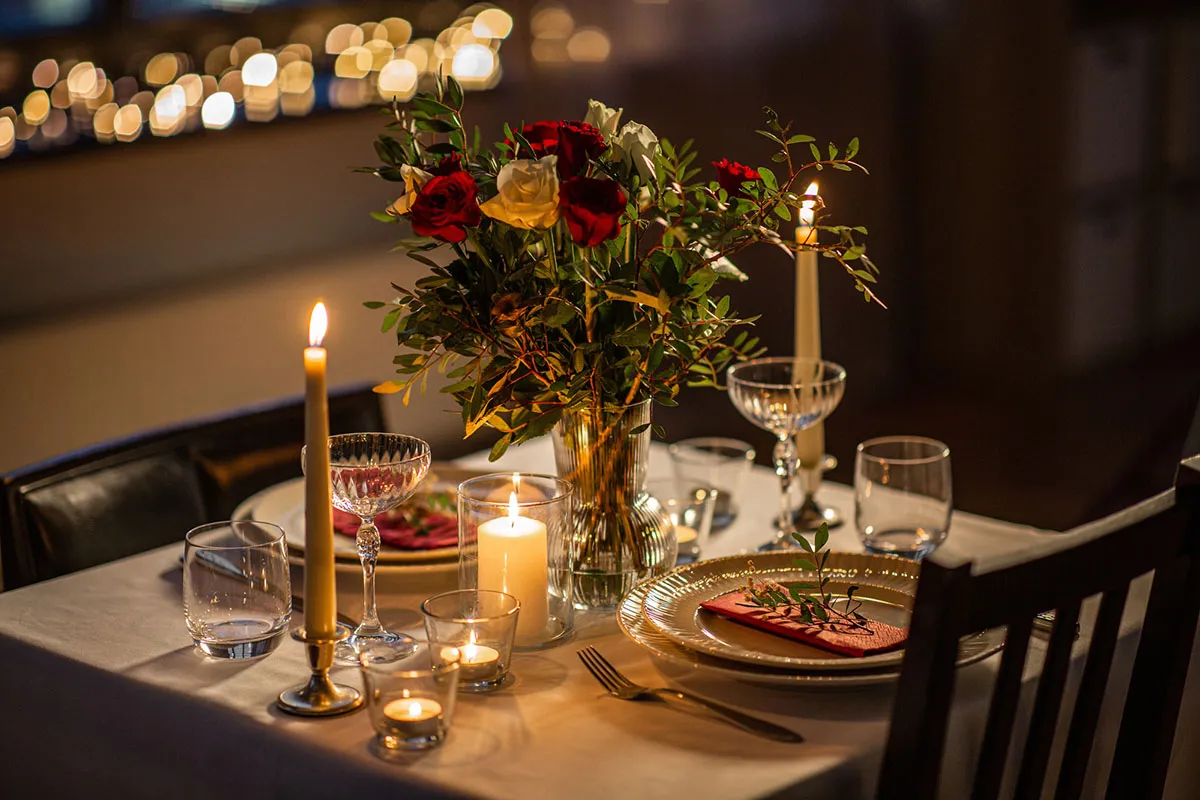
A multi-perspective view of this task reveals several layers of complexity. From a culinary standpoint, the challenge is choosing ingredients that offer high perceived value—such as fresh herbs, reduction sauces, or artisanal grains—at a low acquisition cost. From a spatial perspective, it involves the “re-staging” of a familiar domestic environment to break the habituation of daily life. The risk of oversimplification here is high; many assume that lighting a few candles is sufficient. In reality, a successful plan addresses the “total environment,” including acoustic management and the elimination of domestic “noise” like visible chores or digital distractions.
Furthermore, there is a logistical risk in underestimating the labor involved. A “budget” dinner often requires a higher investment of time to compensate for the lower investment of capital. If the planner is exhausted by the time the meal is served, the romantic utility of the evening collapses. Therefore, the strategic planner doesn’t just look for cheap recipes; they look for high-leverage activities that create a “premium” feel with minimal operational friction. This nuance is the difference between a dinner that feels like a compromise and one that feels like a curated event.
The Socio-Economic Evolution of the Date Night
Historically, the “romantic dinner” as a distinct social ritual is a relatively recent phenomenon, gaining traction in the post-war era as the middle class expanded and dining out became a symbol of status. Prior to this, intimacy was largely integrated into communal or family meals, with “courting” rituals centered around shared activities rather than expensive consumption. The 1980s and 90s saw the pinnacle of the “power dinner,” where the cost of the meal was a direct proxy for the value of the relationship.
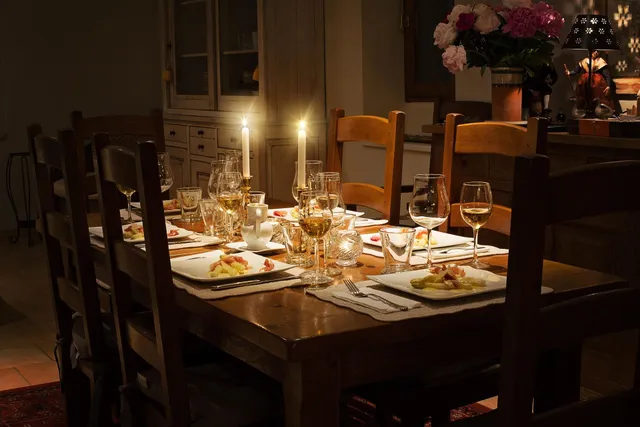
In the current decade, we are seeing a reversal of this trend. “Quiet luxury” and “authentic experiences” have replaced overt displays of wealth. The shift toward home-based romantic planning is driven by two factors: the rising cost of the hospitality industry (labor and food inflation) and a growing cultural desire for personalization. Today, the ability to curate a specific, meaningful environment is viewed as a higher-status skill than simply possessing the capital to book a five-star table. This systemic shift has empowered individuals to explore the nuances of value-based planning without the social stigma previously attached to “budgeting.”
Mental Models for Cost-Effective Intimacy
To navigate the decision-making process, planners can utilize specific mental models that help prioritize effort and spend.
The “High-Touch, Low-Cost” Framework
This model suggests focusing on elements that require physical interaction or artisanal effort rather than expensive procurement. For example, hand-kneading pasta dough costs pennies in flour and eggs but carries a high “effort-to-romance” ratio that a pre-purchased $30 steak cannot match.
The Contrast Principle
Intimacy thrives on contrast. If your daily life is chaotic and bright, a romantic dinner should be minimalist and dim. By intentionally creating a sensory environment that is the opposite of the “everyday,” you signal to the brain that this is a significant event. This cost-free shift in atmosphere is often more effective than buying expensive decor.
The 80/20 Rule of Culinary Impact
In any meal, 20% of the ingredients will provide 80% of the flavor profile. Instead of buying a dozen mediocre ingredients, spend your budget on two “anchor” items—perhaps a high-quality balsamic vinegar or a specific artisanal cheese—and build the rest of the meal around inexpensive staples like potatoes, greens, or pasta.
Key Categories of Dining Variations
There is no singular way to execute an intimate meal. The strategy depends on the available resources and the specific desired outcome.
| Category | Description | Trade-offs | Ideal For |
| The “Chef’s Table” Home Edition | A multi-course tasting menu with small portions. | High prep time; very low ingredient cost. | Couples who enjoy culinary experimentation. |
| The Elevated Picnic | A floor-based, casual spread of high-quality “snacks” (charcuterie). | Low cooking effort; moderate cost for varied items. | Reducing the formality and “stiffness” of traditional dining. |
| The “One-Ingredient” Focus | Building an entire evening around a single high-quality item (e.g., a seafood boil). | High impact; allows for focused spending. | When time is limited but the budget is slightly higher. |
| The Retro/Nostalgia Night | Recreating a meal from a significant past event (e.g., first date). | High emotional resonance; cost varies by memory. | Anniversaries or milestone celebrations. |
Detailed Real-World Scenarios
Scenario A: The Mid-Week Surprise
-
Constraint: Limited time after a 9-5 workday; $20 total budget.
-
Strategy: Focus on “The Contrast Principle.” The meal is a simple Cacio e Pepe (flour, water, cheese, pepper).
-
Decision Point: Spend $15 on a high-quality wedge of Pecorino Romano and $5 on a bottle of sparkling water. The “luxury” comes from the authenticity of the cheese and the change in lighting, not the complexity of the dish.
-
Failure Mode: Leaving the TV on or failing to clear the mail off the table, which anchors the brain in “work mode.”
Scenario B: The “High-Fidelity” Anniversary
-
Constraint: Weekend available; $50 budget; desire for a three-course feel.
-
Strategy: “The High-Touch, Low-Cost” Framework. Course 1: Roasted carrots with a honey-harissa glaze (root vegetables are inexpensive). Course 2: Handmade ravioli with a brown butter sage sauce. Course 3: Chocolate ganache tart (flour, cocoa, butter).
-
Second-Order Effect: The labor involved in making pasta from scratch serves as the “entertainment” for the evening, reducing the need for external stimuli.
Planning, Cost, and Resource Dynamics
Reducing the cost of a romantic dinner requires a shift in resource allocation. You are trading your labor and creativity for the markup typically paid to a restaurant.
Estimated Resource Requirements
| Component | Cost Level | Time Investment | Value Multiplier |
| Atmosphere (Music/Lighting) | $0 – $10 | 15 Minutes | High (Sets the “Stage”) |
| Proteins (Meat/Fish) | $15 – $30 | 30 – 60 Minutes | Moderate (Traditional Focus) |
| Carbohydrates (Pasta/Grains) | $2 – $5 | 60 – 90 Minutes | High (If handmade) |
| Beverages (Wine/Non-Alc) | $10 – $25 | 5 Minutes | Variable (Subjective) |
| Tableware/Linens | $0 (Use what you have) | 10 Minutes | Moderate (Visual Polish) |
Strategic Systems and Support Mechanisms
A successful planner uses “systems” to ensure the evening runs smoothly without feeling like a chore.
-
The “Mise en Place” of Atmosphere: Prepare the playlist and the lighting setup 24 hours in advance. Dimmer switches or smart bulbs are a one-time low-cost investment that pays dividends for years.
-
Batch Shopping: Purchase staples like olive oil, flour, and spices in bulk. This lowers the “per-meal” cost of a romantic dinner significantly.
-
The “Signature Drink” System: Instead of an expensive wine cellar, master one or two classic cocktails (e.g., a Negroni or a French 75). The ingredients last for dozens of drinks and provide a sophisticated opening to the meal.
-
Temperature Control: Often overlooked, ensuring the room is slightly cooler (to encourage proximity) or warmer (for comfort) is a free tool in the romantic arsenal.
-
Acoustic Management: Use “low-fi” or instrumental music to avoid the brain focusing on lyrics. This keeps the conversational focus on the partner.
-
Digital “Blackout” Box: A physical place to put phones. This is a zero-cost tool that increases the “quality” of the dinner more than a $100 bottle of champagne.
Risk Landscape and Failure Modes
Even the most well-budgeted plan can fail if certain risks are not mitigated.
-
The “Dish Mountain” Effect: One of the quickest ways to kill a romantic mood is a kitchen full of dirty pots.
-
Mitigation: Use “one-pan” recipes or clean as you go so the visual environment remains pristine.
-
-
The Complexity Trap: Attempting a recipe that is too difficult for your skill level.
-
Mitigation: Never try a new, complex technique on the night of the event. Stick to “elevated” versions of what you know.
-
-
Over-Frugality: Cutting costs on the wrong items (e.g., using low-quality cooking oil that smokes and smells).
-
Mitigation: Follow the 80/20 rule; spend on the ingredients that carry the flavor.
-
Governance and Long-Term Adaptation
Maintaining a “date night” culture requires consistency. A “governance” model for a couple might involve a monthly review of the food budget to identify where savings can be reallocated to a “special event” fund.
The Monthly “Date” Checklist
-
Inventory Check: What “premium” staples do we have left?
-
Calendar Lock: Which Friday/Saturday is the blackout for the dinner?
-
The “Novelty” Trigger: What is one thing we haven’t tried before (a new spice, a different table layout)?
-
Post-Dinner Review: What worked? Did the homemade bread take too long? Was the music too loud?
Measurement, Tracking, and Evaluation
While it may seem clinical to “measure” romance, tracking your success helps refine the process for future evenings.
-
Quantitative: Tracking the actual vs. projected cost. Did you stay under the $30 goal?
-
Qualitative: The “Conversation Duration.” Did the environment facilitate deep talk, or was it a rushed meal?
-
Documentation: Keep a “Dinner Journal” or a simple folder with the menus that worked. This creates an “authority asset” for your household that makes future planning 50% faster.
Common Misconceptions and Oversimplifications
-
Myth: You need wine for it to be romantic. Fact: High-quality tea services or bespoke non-alcoholic infusions can be just as sophisticated and much cheaper.
-
Myth: Cheap food looks cheap. Fact: Plating and “negative space” on a dish can make a $1 portion of risotto look like a $40 bistro plate.
-
Myth: “Budget” means “Discount Store.” Fact: Budgeting often means shopping at local farmers’ markets for seasonal (and thus cheaper) produce that tastes better than expensive out-of-season imports.
-
Myth: More candles = More romance. Fact: Too many candles can create excessive heat and scent interference with the food. Two to three unscented tapers are the professional standard.
Synthesizing Judgment and Sentiment
The ultimate success of an intimate meal lies in the planner’s ability to balance the cold logic of budgeting with the warm intuition of sentiment. Learning how to plan romantic dinners on a budget is an act of service that demonstrates mastery over one’s environment. It proves that the quality of a life—and a relationship—is not determined by the volume of capital flowing through it, but by the intentionality with which that capital is applied. When the lights are dimmed and the distractions are removed, the cost of the meal becomes invisible, leaving only the value of the connection.