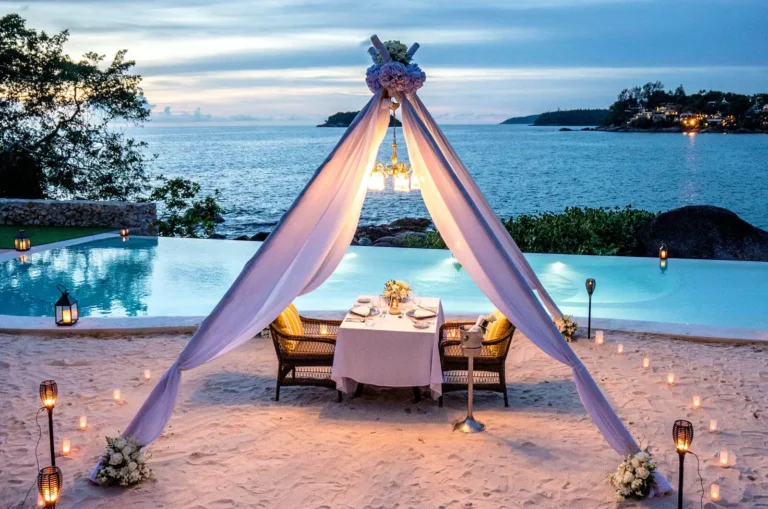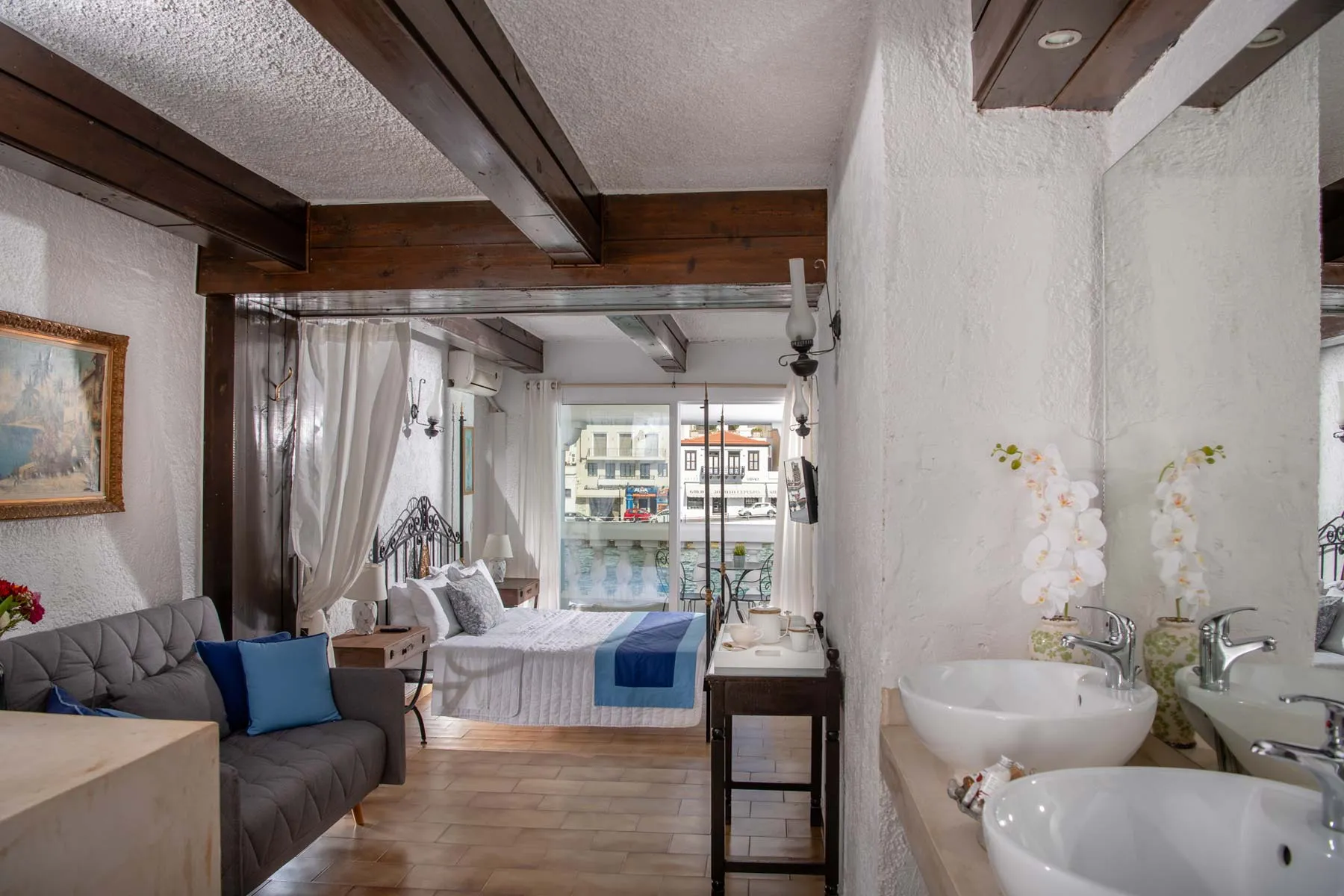
Honeymoon Suites Plans: An Editorial Guide to Romantic Architecture
The design of a honeymoon suite transcends simple hospitality; it is an exercise in environmental psychology and spatial choreography. Unlike standard guest rooms, which prioritize efficiency, turnover, and utilitarian comfort, these specialized spaces are engineered to facilitate a specific emotional outcome: the transition from the public spectacle of a wedding to the private reality of a partnership. This necessitates a structural approach that balances seclusion with service, and aesthetic indulgence with functional ease. The complexity of these spaces lies in their dual nature—they must function as both a high-performance luxury machine and a silent, unobtrusive sanctuary.
When we examine the broader hospitality industry, we find that the “suite” designation is often applied loosely, frequently referring merely to increased square footage. The planning phase for such spaces requires a multidisciplinary perspective, incorporating interior design, light theory, and even acoustic engineering.
To master the nuances of this field, one must move beyond the superficial markers of luxury—velvet fabrics and flower petals—to look at the underlying blueprint. The systemic evolution of these rooms reflects changing societal values: from the opulent, draped chambers of the early 20th century to the minimalist, nature-integrated pavilions of the modern era. This shift mirrors a deeper understanding of luxury as “autonomy” rather than just “excess.” In this context, the layout becomes a silent participant in the guest experience, dictating how a couple interacts with the space and, by extension, each other.
This analysis provides a comprehensive framework for understanding the structural and strategic underpinnings of high-end romantic accommodations. By dissecting the variables that contribute to a successful environment, we can establish a set of criteria that separates generic upgrades from purpose-built masterpieces. Whether for the purpose of architectural development, hospitality management, or sophisticated consumer selection, the depth provided here serves as the definitive reference for the mechanics of romantic space.
Understanding “honeymoon suite plans”.
At its core, the study of honeymoon suite plans involves the analysis of spatial layouts specifically optimized for prolonged, high-privacy occupancy. The phrase is often misunderstood as a simple decorating guide, yet in professional architectural and hospitality circles, it refers to the rigorous arrangement of zones—living, sleeping, bathing, and outdoor—that minimize external intrusion while maximizing internal flow. A common oversimplification is the belief that a “view” is the primary value driver; in reality, a view without a privacy buffer can lead to a sense of exposure that negates the suite’s purpose.
When evaluating honeymoon suite plans, three distinct perspectives must be integrated:
-
The Operational Perspective: How does the staff provide housekeeping or room service without crossing the guests’ visual path? A superior plan includes secondary service entrances or “silent” delivery valets.
-
The Sensory Perspective: How do lighting, sound, and temperature vary across the room? Effective plans utilize zoned climate control and layered lighting schemes that transition from functional to atmospheric without requiring complex manual adjustments.
-
The Psychological Perspective: How does the room layout encourage connection? This often involves the removal of traditional “barriers” like walls between bedrooms and bathrooms, replacing them with fluid transitions or “peek-a-boo” features that emphasize shared space.
The risk of oversimplification in this sector is high. Developers often prioritize aesthetic “wow” factors at the expense of functional durability. A suite may look stunning in a photograph, but if the layout forces a guest to walk through a cold draft to reach the bathroom, the plan has failed its primary objective. To truly understand these plans is to recognize that beauty is in the skin, but the floor plan is the skeleton.
Historical and Systemic Evolution of Private Sanctuaries
The concept of a dedicated “honeymoon suite” is a relatively modern phenomenon, gaining traction during the mid-20th-century rise of the destination resort. The early iterations of these suites were often just the largest rooms in a palace hotel, laden with heavy furniture and formal dining areas that mirrored the social expectations of the era.
In the 1960s and 70s, particularly in regions like the Poconos in the United States, the concept underwent a kitsch evolution. This era introduced the “heart-shaped tub” and overtly themed rooms. The room became an immersive environment.
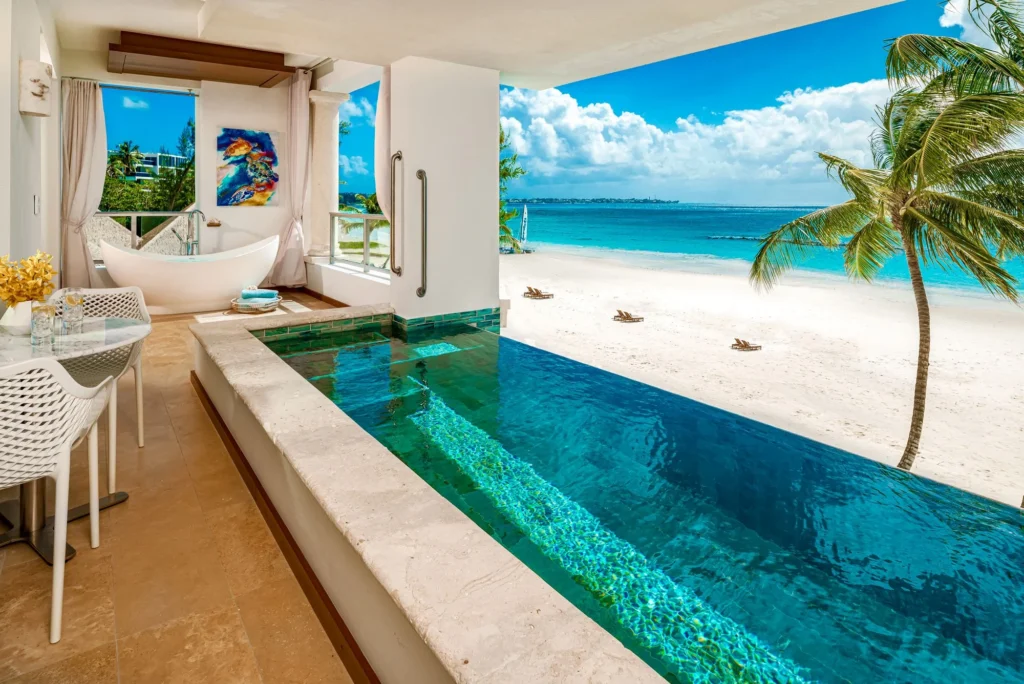
Today, the evolution has moved toward “invisible luxury.” The modern suite plan focuses on biophilic design—integrating the outdoors with the indoors. Glass walls that disappear into the floor, private infinity pools that seem to merge with the ocean, and outdoor rain showers are the current standard. The systemic shift has been from “showing” luxury to “feeling” luxury through a lack of constraints.
Conceptual Frameworks and Mental Models for Spatial Design
To analyze or create an elite suite, one can apply several mental models borrowed from urban planning and psychology.
The Concentric Circles of Privacy
This model views the suite as a series of zones. The outermost circle is the public hallway, the middle is the living/lounge area, and the innermost is the bedroom/bathing sanctum.
The “Frictionless” Pathing Model
Borrowed from UI/UX design, this framework evaluates how many “steps” or “actions” are required to achieve a goal within the room. For example, can the curtains be closed, the lights dimmed, and the temperature adjusted from a single, intuitive interface near the bed? The goal is to minimize cognitive load so the focus remains on the partner.
The Threshold Effect
This focuses on the transition points—the doorway, the move from carpet to stone, and the exit to a balcony. Each threshold should signal a change in mood. A well-planned suite uses material changes and ceiling height variations to subtly tell the guest they are entering a more intimate space.
Key Categories: Taxonomy of Suite Architecture
Different environments dictate different structural priorities. A mountain lodge requires different thermal planning than a tropical overwater bungalow.
| Category | Primary Layout Goal | Trade-off | Best For |
| Overwater Bungalow | 360-degree Water Access | High Maintenance / Less Acoustic Privacy | Tropical Seclusion |
| Urban Loft Suite | Verticality and City Views | Potential for Noise Pollution | Cosmopolitan Culture |
| Garden Pavilion | Biophilic Integration | Vulnerability to Insects/Weather | Nature Enthusiasts |
| Historic Palace Suite | Grandeur and Scale | Fixed Walls / Difficult Tech Retrofitting | Heritage & Opulence |
| Wellness Sanctuary | In-room Spa Integration | High Humidity / Operational Complexity | Rejuvenation |
Decision Logic: Selecting the Architectural Fit
Choosing the right plan involves identifying the “Main Event” of the trip. If the goal is total isolation, a detached pavilion with a private perimeter is essential. If the goal is to enjoy a city’s nightlife, a high-floor urban suite with sound-dampened glass is the priority. The plan must match the lifestyle.
Detailed Real-World Scenarios and Operational Logic
Scenario 1: The High-Traffic Coastal Resort
In a resort with 500 rooms, the honeymoon suite must feel like it’s the only room on the property.
-
Plan Requirement: Corner placement with a 270-degree view and a dedicated elevator bypass.
-
Failure Mode: Shared balconies where neighbors can see onto the “private” terrace.
Scenario 2: The Safari Tent Conversion
A permanent canvas structure designed for ultra-luxury.
-
Plan Requirement: Triple-layered roofing for acoustic dampening (rain on canvas is loud) and a sunken floor to keep the bed at eye level with the horizon.
-
Second-Order Effect: Keeping wildlife out while maintaining an “open” feel requires sophisticated mesh and magnetic sealing systems.
Planning, Cost, and Resource Dynamics
The creation of these spaces involves a significant capital expenditure compared to standard inventory.
Range-Based Cost Allocation (Per Unit)
| Component | Budget Tier | Luxury Tier | Ultra-Luxe Tier |
| Square Footage | 600 – 800 sq ft | 1,200 – 1,800 sq ft | 2,500+ sq ft |
| Bath/Spa Tech | Standard Soaking Tub | Steam Shower / Dual Vanities | Private Sauna / Plunge Pool |
| Automation | Basic Smart TV | Integrated Lighting/Climate | Full Voice/Tablet Room Control |
| Privacy Buffer | Standard Walls | Soundproofing / Private Entry | Detached Structure / Gated Path |
Strategies and Support Systems for Implementation
To execute a high-end suite plan, several support systems are required:
-
Acoustic Mapping: Using software to ensure that plumbing noise from adjacent rooms or mechanical vibrations is neutralized.
-
Lighting Scenes: Professional programming of “Morning,” “Sunset,” and “Evening” presets.
-
Service Access Planning: Hidden corridors that allow staff to restock the minibar or deliver laundry without entering the main living area.
-
Redundant Connectivity: High-speed Wi-Fi that functions through thick soundproofed walls and outdoor stone terraces.
Risk Landscape: Failure Modes in Romantic Environments
The “compounding risk” in honeymoon planning is that a single failure is magnified by the emotional weight of the occasion.
-
The “Fishbowl” Effect: Using too much glass without considering solar heat gain or nighttime privacy.
-
Mechanical Intrusion: Placing the AC compressor or pool pump too close to the sleeping area.
-
Over-Engineering: Making the room controls so complex that the guest spends their first hour frustrated by the technology.
-
Maintenance Decay: Luxury finishes (marble, silk, exotic woods) require hyper-specific cleaning protocols; if these fail, the suite quickly looks aged.
Governance, Maintenance, and Long-Term Adaptation
A suite plan is not static. It must be governed and adjusted over time.
-
Quarterly Aesthetic Audit: Checking for scuffs, fading, and wear on high-touch surfaces.
-
Technology Refresh Cycles: Smart room tech becomes obsolete every 3-5 years and requires a planned upgrade path.
-
Feedback Loops: Quantitative analysis of guest complaints to identify “blind spots” in the layout—such as a lack of power outlets near the bed.
Measurement, Tracking, and Evaluation
How do we know if a suite plan is successful?
-
Leading Indicators: Room occupancy rates, average length of stay, and the ratio of “special request” fulfillment.
-
Lagging Indicators: Online review sentiment specifically mentioning “privacy” or “atmosphere,” and the rate of return guests or referrals.
-
Documentation Examples: Maintenance logs, lighting preset maps, and guest “journey maps” showing typical movement patterns.
Common Misconceptions and Oversimplifications
-
Myth: Bigger is always better.
-
Myth: It’s all about the bed. The bathroom and the outdoor space are often where the most time is spent in a honeymoon context.
-
Myth: “All-inclusive” means the suite is better. Sometimes mass-market resorts skimp on the architectural details of the room because they focus on communal amenities.
-
Myth: Soundproofing is only about the neighbors. It’s also about blocking the sound of wind, waves, or resort machinery.
Conclusion: The Synthesis of Space and Intent
In the final analysis, the most successful honeymoon suite plans are those that disappear. Achieving this requires a rigorous rejection of the generic and a commitment to the “quiet” details: the sound of a closing door, the texture of the floor on bare feet, and the way light hits the wall at dusk. As the hospitality industry continues to evolve, the suites that endure will be those that prioritize the timeless psychological need for sanctuary over the fleeting trends of the day.